Blogs
Best Morning Yoga Routine for Beginners to Stay Healthy Every Day
Home Best Morning Yoga Routine for Beginners to Stay Healthy Every Day




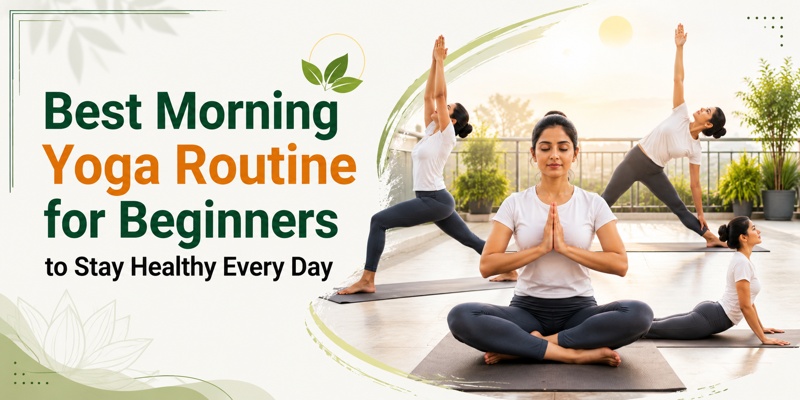
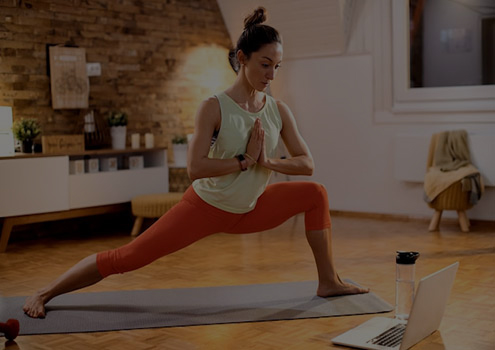
Starting your day with yoga is one of the simplest ways to improve both your physical and mental well-being. A best morning yoga routine for beginners helps increase flexibility, improve posture, reduce stress, and boost energy without requiring expensive equipment or a gym membership. Even 20 to 30 minutes of gentle yoga every morning can make a noticeable difference in your daily life.
If you are new to yoga, the key is to begin with easy poses and practice consistently. Instead of focusing on perfection, pay attention to your breathing and body movements. Over time, your strength, balance, and confidence will naturally improve.
A regular morning yoga practice prepares your body and mind for the day ahead. It activates your muscles, improves blood circulation, and encourages mindfulness before you begin your daily responsibilities.
Some of the biggest benefits include:
• Improves flexibility and mobility
• Enhances concentration and focus
• Boosts energy naturally
• Reduces stress and anxiety
• Supports better posture
• Encourages healthy breathing habits
• Promotes overall wellness
Before starting your yoga session, keep these simple tips in mind:
• Practice on an empty or light stomach.
• Wear comfortable clothing.
• Use a yoga mat for stability.
• Choose a quiet and well-ventilated space.
• Keep a bottle of water nearby for hydration after practice.
1. Deep Breathing (2–3 Minutes)
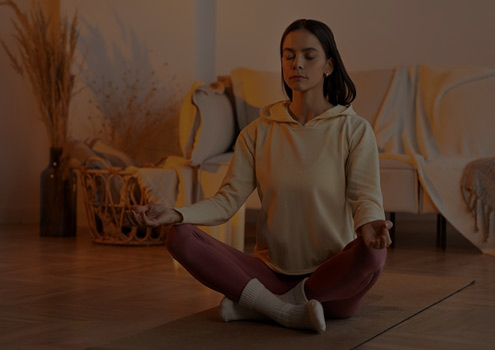
Begin by sitting comfortably with your spine straight. Close your eyes and take slow, deep breaths. This helps calm the mind and prepares your body for movement.
2. Neck and Shoulder Stretches
Gently rotate your neck and roll your shoulders forward and backward. These movements reduce stiffness that often develops after sleeping.
3. Cat-Cow Stretch
This beginner-friendly pose improves spinal flexibility while relieving tension in the back and neck. Coordinate each movement with slow breathing.
4. Child's Pose
Child's Pose relaxes the lower back and hips while gently stretching the spine. It is one of the easiest yoga poses for beginners.
5. Downward Facing Dog
This classic yoga pose stretches the legs, shoulders, and back while improving blood circulation throughout the body.
6. Cobra Pose
Cobra Pose strengthens the back muscles, opens the chest, and improves posture, making it an excellent addition to any beginner routine.
7. Mountain Pose
Although simple, Mountain Pose improves body alignment, balance, and posture while encouraging mindful breathing.
8. Seated Forward Bend
Finish your stretching sequence with a gentle forward bend to relax your back, hamstrings, and lower body.
9. Relaxation (Savasana)
Lie comfortably on your back for five minutes. Focus on slow breathing and allow your body to completely relax before ending the session.
Building a healthy habit is more important than practicing for long hours.
1. Practice at the same time every morning.
2. Start with 20 minutes daily.
3. Avoid comparing yourself with others.
4. Increase difficulty gradually.
5. Listen to your body's limits.
Many beginners lose motivation because they expect quick results. Avoid these common mistakes:
| Mistake | Better Approach |
|---|---|
| Skipping warm-up | Begin with gentle stretches |
| Holding your breath | Breathe naturally throughout practice |
| Overstretching | Move comfortably without pain |
| Practicing irregularly | Stay consistent with short sessions |
| Ignoring posture | Focus on proper alignment instead of speed |
Following the best morning yoga routine for beginners is an easy and effective way to build a healthier lifestyle. Regular practice improves flexibility, strength, balance, mental clarity, and overall well-being. The secret is consistency rather than intensity. Start with simple poses, maintain proper breathing, and gradually build your routine. Over time, morning yoga can become a refreshing habit that keeps you active, calm, and ready to face every day with confidence.
If you are looking to deepen your yoga journey with proper guidance and a holistic approach, Tat Saayujyam offers valuable support for individuals seeking a balanced and mindful lifestyle through authentic yoga practices.
Beginners can start with 20 to 30 minutes every morning. As flexibility and stamina improve, the duration can gradually increase according to comfort and fitness goals.
Yes. Practicing yoga on an empty stomach or at least two to three hours after a meal allows comfortable movement and better breathing during the session.
Yes. Gentle yoga can be practiced daily. Consistency helps improve flexibility, strength, balance, and mental wellness while reducing stress over time.
Wear lightweight, comfortable clothing that allows free movement. Avoid tight or restrictive clothes that may interfere with stretching and breathing exercises.
Child's Pose, Mountain Pose, Cat-Cow Stretch, and Deep Breathing exercises are among the easiest and safest yoga practices for beginners starting their fitness journey.



Copyright 2025, All Rights Reserved.