Blogs
Online Yoga Classes vs Offline Yoga: Which is Better for Your Lifestyle?
Home Online Yoga Classes vs Offline Yoga: Which is Better for Your Lifestyle?





Choosing the right way to practice yoga is an important decision, especially when balancing work, studies, family, and health. Today, many people are confused between online yoga classes and traditional offline yoga sessions. Both options offer unique benefits, but the better choice depends on your lifestyle, schedule, fitness goals, and learning preferences. Some people value the convenience of practicing from home, while others enjoy the discipline and personal interaction of studio sessions. Understanding the advantages and limitations of each format can help you make an informed decision. In this guide, we compare both options so you can decide which yoga experience best suits your daily routine.
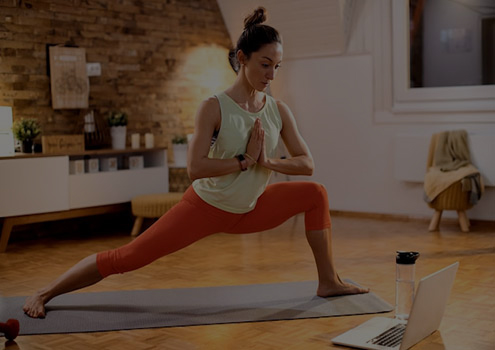
Online yoga classes allow you to learn and practice yoga from anywhere using a smartphone, tablet, or computer. Live and recorded sessions have become increasingly popular because they make yoga accessible to people with busy schedules.
Benefits of Online Yoga Classes
• Practice from the comfort of your home.
• Save travel time and transportation costs.
• Flexible schedules with recorded sessions.
• Easy access to experienced instructors from different locations.
• Suitable for beginners, working professionals, students, and senior citizens.
Limitations of Online Yoga Classes
• Limited hands-on posture correction.
• Requires a stable internet connection.
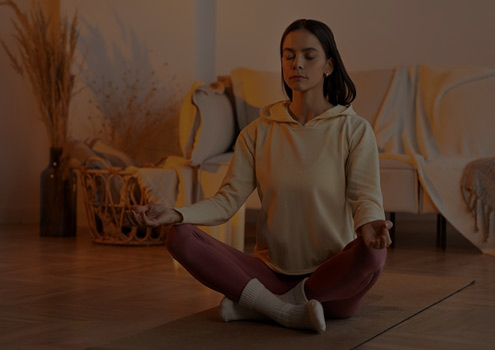
• Home distractions may affect concentration.
• Self-discipline is essential for consistency.
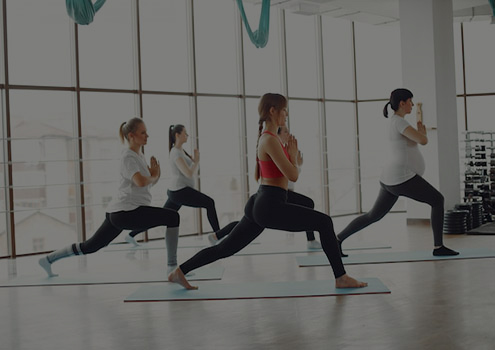
Offline yoga classes take place in a yoga studio, wellness centre, or community space where students learn directly from an instructor. This traditional approach remains a preferred choice for many practitioners.
Benefits of Offline Yoga
• Immediate correction of postures.
• Better personal interaction with instructors.
• Motivating group environment.
• Structured routine encourages consistency.
• Fewer distractions during practice.
Limitations of Offline Yoga
• Fixed class timings.
• Travel time and additional expenses.
• Limited flexibility for people with hectic schedules.
• Classes may become crowded during peak hours.
| Feature | Online Yoga Classes | Offline Yoga |
|---|---|---|
| Flexibility | High | Limited |
| Travel Required | No | Yes |
| Personal Guidance | Moderate | Excellent |
| Cost | Usually affordable | Often higher |
| Learning Environment | Home | Studio |
| Convenience | Excellent | Moderate |
| Schedule | Flexible | Fixed |
Choose Online Yoga Classes If You:
• Have a busy work schedule.
• Travel frequently.
• Prefer learning from home.
• Need flexible timings.
• Want affordable yoga sessions.
Choose Offline Yoga If You:
• Prefer face-to-face learning.
• Need frequent posture correction.
• Stay motivated in group classes.
• Enjoy a structured routine.
• Are completely new to yoga and want direct supervision.
Before selecting between online and offline yoga, think about your daily routine, budget, available time, fitness level, and learning style. Beginners who require close guidance may initially benefit from offline sessions, while experienced practitioners often enjoy the convenience of online yoga classes. Many learners also combine both methods by attending studio workshops occasionally while maintaining a regular home practice online.
There is no single answer to whether online yoga classes or offline yoga are better. The right choice depends entirely on your lifestyle, comfort level, and personal goals. If flexibility and convenience matter most, online learning is an excellent option. If direct interaction and immediate guidance are your priorities, offline classes may be more suitable. The most important step is to practice consistently, because regular yoga delivers lasting physical, mental, and emotional benefits regardless of where you learn.
If you are looking for a thoughtful and holistic approach to yoga, Tat Saayujyam believes that the best yoga practice is the one that becomes a sustainable part of your everyday life, helping you build long-term health, balance, and inner well-being.
Yes. Online yoga classes can be effective for beginners when they are guided by qualified instructors and include clear demonstrations. Beginners should start with basic sessions and practice consistently.
Yes. Offline yoga allows instructors to observe movements closely and provide immediate corrections, helping students develop proper alignment and reduce the risk of incorrect practice.
Online yoga classes are generally more affordable because they eliminate travel costs and often provide flexible subscription plans with access to multiple sessions.
Absolutely. Many practitioners combine both methods by attending offline workshops occasionally while continuing their regular practice through online yoga classes at home.
For the best results, aim to practice yoga at least three to five times a week. Even short, consistent sessions can improve flexibility, strength, posture, and overall well-being over time.



Copyright 2025, All Rights Reserved.