Blogs
Yoga for PCOS: Natural Ways to Improve Hormonal Balance
Home Yoga for PCOS: Natural Ways to Improve Hormonal Balance




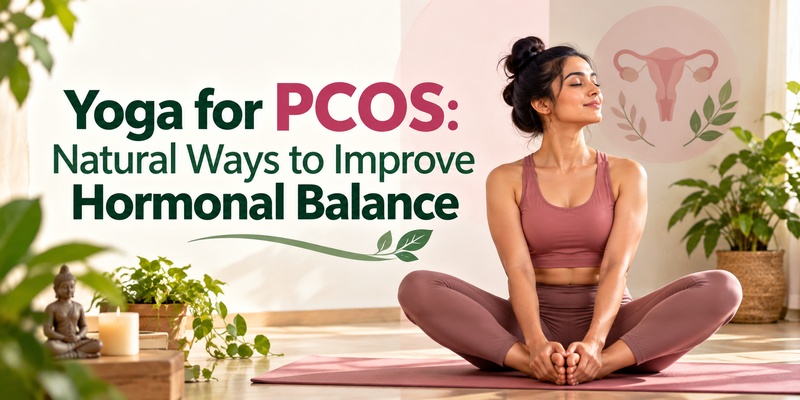
Polycystic Ovary Syndrome (PCOS) is one of the most common hormonal disorders affecting women of reproductive age. It can lead to irregular periods, weight gain, acne, excess hair growth, mood swings, and difficulty conceiving. While medical treatment is often necessary, many women also look for natural ways to support their health. One of the most effective lifestyle practices is yoga for PCOS. Regular yoga helps reduce stress, improves blood circulation, supports hormonal balance, and enhances overall well-being. Combined with a healthy diet, proper sleep, and medical guidance, yoga can become a valuable part of managing PCOS symptoms naturally.
PCOS is closely linked to hormonal imbalance, insulin resistance, and chronic stress. High stress levels increase cortisol, which can further disturb hormone production. Yoga combines physical movement, breathing exercises, and mindfulness, helping the body relax while improving metabolism and reproductive health.
Some of the key benefits include:
• Reduces stress and anxiety
• Supports hormonal balance
• Improves insulin sensitivity
• Promotes healthy blood circulation
• Helps maintain a healthy body weight
• Improves sleep quality
• Increases flexibility and strength
1. Butterfly Pose (Baddha Konasana)
This pose gently stretches the hips and pelvic muscles while improving blood flow to the reproductive organs. It may also help reduce menstrual discomfort.
2. Cobra Pose (Bhujangasana)
Cobra Pose strengthens the spine, stretches the abdomen, and stimulates the ovaries. It also improves posture and supports hormonal health.
3. Bridge Pose (Setu Bandhasana)
Bridge Pose activates the thyroid gland, strengthens the lower back, and improves pelvic circulation, making it beneficial for women managing PCOS.
4. Child's Pose (Balasana)
Stress plays a significant role in hormonal imbalance. Child's Pose relaxes the nervous system and promotes deep breathing, helping reduce anxiety.
5. Cat-Cow Pose (Marjaryasana-Bitilasana)
This gentle movement improves spinal flexibility, massages abdominal organs, and enhances blood circulation throughout the pelvic region.
6. Garland Pose (Malasana)
Garland Pose stretches the hips, strengthens the pelvic floor, and supports digestive health, which is often affected in women with PCOS.
Breathing techniques are an essential part of yoga for PCOS. Practising them daily can calm the mind and regulate stress hormones.
Some effective breathing exercises include:
• Anulom Vilom (Alternate Nostril Breathing)
• Bhramari Pranayama (Bee Breathing)
• Deep Diaphragmatic Breathing
Even 10–15 minutes of controlled breathing each day can make a noticeable difference in emotional well-being.
Yoga works best when combined with other healthy lifestyle practices.
| Healthy Habit | How It Helps PCOS |
|---|---|
| Balanced diet | Supports hormone regulation and blood sugar control |
| Regular exercise | Improves metabolism and weight management |
| Quality sleep | Helps regulate hormones naturally |
| Stress management | Reduces cortisol levels |
| Hydration | Supports overall body functions |
Following these habits consistently can improve long-term health outcomes.
Most experts recommend practising yoga for at least 30–45 minutes, five days a week. Beginners can start with shorter sessions and gradually increase the duration. Consistency is more important than intensity. Listening to your body and practising under professional guidance ensures safe and effective results.
Managing PCOS requires patience and a balanced lifestyle. Practising yoga for PCOS regularly can help reduce stress, improve flexibility, support hormonal balance, and enhance overall health. While yoga is not a replacement for medical treatment, it is a powerful complementary practice that helps women feel healthier both physically and emotionally.
If you are looking for a holistic approach to women's wellness, Tat Saayujyam believes in combining mindful living, healthy habits, and natural healing practices to support overall well-being and hormonal health.
Yoga cannot permanently cure PCOS, but it can significantly help manage symptoms by reducing stress, improving hormonal balance, supporting weight management, and enhancing overall reproductive health when combined with medical advice.
Butterfly Pose, Cobra Pose, Bridge Pose, Child's Pose, Cat-Cow Pose, and Garland Pose are among the most beneficial yoga poses for improving circulation and supporting hormonal health in women with PCOS.
Results vary from person to person. Many women notice improvements in stress levels, flexibility, and overall well-being within a few weeks, while hormonal improvements may take several months of consistent practice.
Yoga is highly beneficial but works best alongside a balanced diet, regular exercise, proper sleep, stress management, and medical guidance. A comprehensive lifestyle approach provides the best results.
Yes. Beginners can safely start with simple yoga poses and breathing exercises. Learning under a qualified instructor helps ensure proper posture, prevents injuries, and maximizes the health benefits.



Copyright 2025, All Rights Reserved.